
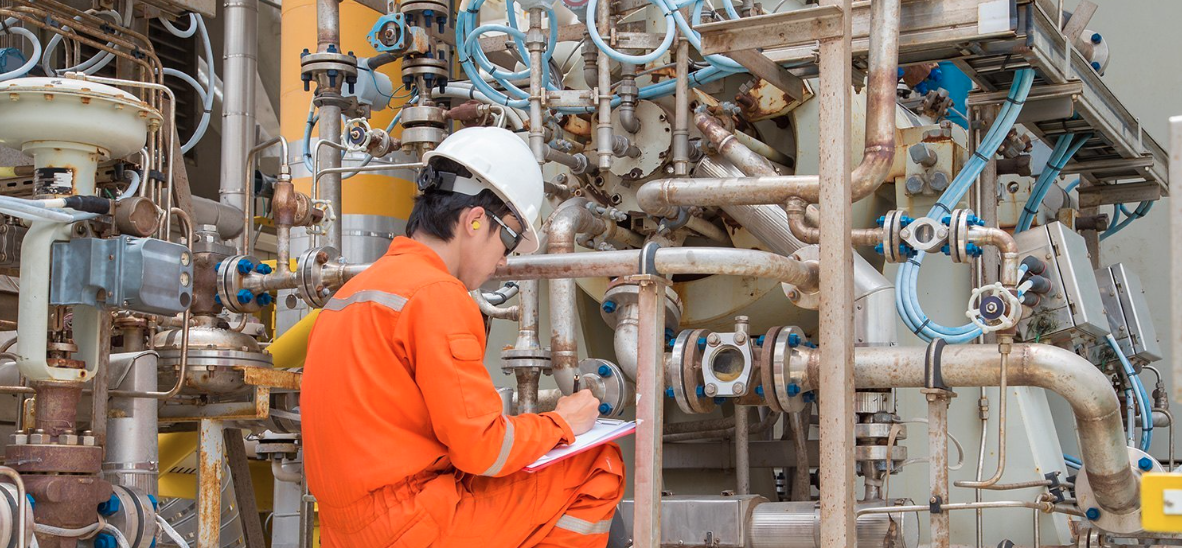
Technical inspection is an essential service for businesses, insurers, facility managers, and government agencies seeking to maintain the safety, reliability, and performance of critical infrastructure and equipment. From commercial buildings and industrial facilities to transportation systems and utilities, regular technical inspections help identify defects, assess operational risks, and ensure compliance with industry standards before minor issues develop into costly failures.
Modern organisations rely on technical inspections to make informed maintenance decisions, reduce operational downtime, support insurance assessments, and meet regulatory obligations. By combining engineering expertise with advanced testing methods, technical inspections provide accurate evaluations that protect people, assets, and business continuity.
Why Technical Inspection Is Essential
Every building, machine, and infrastructure asset experiences wear, environmental exposure, and operational stress over time. Without routine inspections, hidden defects can remain undetected until they result in equipment failure, safety incidents, or expensive repairs.
Professional technical inspections help organisations:
- Identify structural and mechanical defects early
- Improve workplace safety
- Extend the lifespan of valuable assets
- Reduce unexpected maintenance costs
- Support regulatory compliance
- Improve operational efficiency
- Provide reliable documentation for insurers and stakeholders
Whether evaluating a manufacturing facility or a commercial property, technical inspections provide valuable insights that support proactive asset management.
Lift Inspection for Safe and Reliable Vertical Transportation
Lift inspection is one of the most important components of building safety management. Lifts operate continuously in commercial offices, residential buildings, hospitals, hotels, shopping centres, and industrial facilities. Regular inspections ensure that lift systems remain safe, efficient, and compliant with applicable regulations.
Professional lift inspections typically include:
- Mechanical component assessment
- Electrical system evaluation
- Safety brake testing
- Door operation inspection
- Emergency communication system checks
- Load and performance testing
- Control panel assessment
- Wear and corrosion inspections
Routine inspections help prevent unexpected breakdowns, reduce passenger risks, and improve the long-term reliability of lift systems.
Lift Inspection in Malaysia: Meeting Local Safety Standards
Lift inspection in Malaysia is essential for organisations responsible for maintaining safe and compliant building operations. As lift systems experience constant daily use, regular inspections help ensure that equipment continues to perform safely under demanding conditions.
Inspection specialists evaluate:
- Lift machinery and drive systems
- Suspension ropes and pulleys
- Safety devices
- Electrical controls
- Emergency backup systems
- Structural components
- Operational performance
Comprehensive inspection reports provide property owners, facility managers, insurers, and regulatory authorities with clear information regarding equipment condition, maintenance priorities, and recommended corrective actions.
By conducting scheduled inspections, organisations can minimise operational disruptions while protecting occupants and maintaining compliance with applicable safety standards.
Lightning Damage Investigation in Malaysia for Critical Infrastructure Protection
Lightning damage investigation in Malaysia is increasingly important due to the country’s frequent thunderstorms and high lightning activity. Commercial buildings, industrial facilities, telecommunications infrastructure, and electrical systems remain vulnerable to direct strikes and surge-related damage.
Professional lightning investigations help determine:
- The source and path of lightning strikes
- Damage to electrical systems
- Structural impacts
- Equipment failures
- Surge protection performance
- Fire-related consequences
- Root causes of operational disruptions
These investigations support insurance claims, equipment replacement decisions, engineering assessments, and future risk mitigation strategies.
Advanced inspection methods allow investigators to accurately document damage while providing practical recommendations that strengthen future resilience against lightning-related incidents.
The Technical Inspection Process
Although inspection requirements vary depending on the asset or facility, professional technical inspections generally follow a structured process.
Initial Planning
Inspection objectives, asset information, maintenance history, and operational requirements are reviewed before work begins.
Site Assessment
Inspectors conduct visual examinations and identify areas requiring detailed evaluation.
Testing and Measurement
Specialised equipment is used to assess structural integrity, mechanical performance, electrical systems, and operational reliability.
Data Analysis
Inspection findings are analysed to identify defects, deterioration, performance issues, or safety concerns.
Reporting
A comprehensive report documents observations, technical findings, photographs, risk assessments, and recommended corrective actions.
Follow-Up Support
Where necessary, inspectors provide additional technical advice, maintenance recommendations, and support for repair planning or insurance documentation.
Industries That Benefit from Technical Inspection
Technical inspection services provide value across a broad range of industries, including:
- Commercial property management
- Manufacturing and industrial facilities
- Healthcare institutions
- Hotels and hospitality
- Government buildings
- Transportation infrastructure
- Warehousing and logistics
- Educational facilities
- Utilities and energy providers
- Telecommunications
Each industry depends on reliable infrastructure and equipment to maintain operational performance and workplace safety.
Benefits of Professional Technical Inspection
Engaging experienced technical inspection professionals offers numerous advantages.
Improved Safety
Early identification of hazards helps prevent accidents and equipment failures.
Reduced Maintenance Costs
Detecting issues before they become major failures reduces repair expenses.
Increased Asset Lifespan
Regular inspections support preventive maintenance programmes that extend equipment life.
Better Compliance
Professional inspections help organisations satisfy regulatory and industry requirements.
Insurance Support
Accurate inspection reports provide valuable documentation for insurance assessments and claims.
Operational Reliability
Well-maintained equipment experiences fewer unexpected failures and less downtime.
Why Experience Matters in Technical Inspection
Effective technical inspections require far more than visual observations. Experienced inspectors combine engineering expertise, industry knowledge, and advanced diagnostic technologies to evaluate complex systems accurately.
An experienced inspection provider offers:
- Qualified technical specialists
- Modern inspection equipment
- Structured inspection methodologies
- Detailed technical reporting
- Independent assessments
- Industry-specific expertise
- Practical maintenance recommendations
Choosing a trusted inspection partner helps organisations make informed decisions while protecting both people and critical assets.
Technical inspection plays a vital role in ensuring the safety, reliability, and performance of commercial, industrial, and public infrastructure. From routine lift inspections to specialised lightning damage investigations, professional inspections provide the accurate information organisations need to manage risks, maintain compliance, and optimise operational performance.
By identifying defects early, supporting preventive maintenance, and delivering evidence-based recommendations, technical inspections help businesses and government agencies reduce downtime, protect valuable assets, and improve long-term resilience.
If your organisation requires dependable technical inspection services backed by engineering expertise and proven industry experience, contact Approved Group International today. Our specialists provide comprehensive inspection solutions that help businesses, insurers, and government agencies protect their infrastructure, ensure compliance, and operate with confidence.