
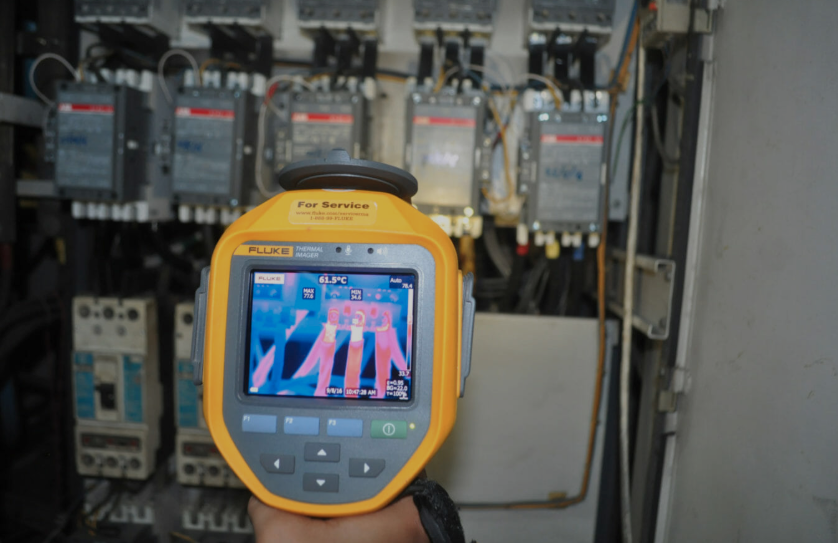
Infrared thermography is a powerful, non-invasive diagnostic technique used to detect temperature variations that are invisible to the human eye. By converting infrared radiation into thermal images, this technology helps identify hidden issues in electrical systems, mechanical equipment, buildings, and industrial processes—often before failures occur.
What Is Infrared Thermography?
Infrared thermography uses specialized thermal imaging cameras to measure surface temperatures and visualize heat patterns. Abnormal temperature differences often indicate underlying problems such as electrical overloads, insulation gaps, moisture intrusion, friction, or component wear.
Because it is non-contact and does not require shutdowns, infrared thermography is widely used for preventive maintenance, safety inspections, and condition monitoring across multiple industries.
Why Is Infrared Thermography Important?
Early detection is the biggest advantage of infrared thermography. Small temperature anomalies can signal serious issues that may lead to equipment failure, fire hazards, or costly downtime if left unaddressed.
Key benefits include:
- Early fault detection
- Reduced maintenance costs
- Improved operational safety
- Minimized unplanned downtime
- Extended asset lifespan
By identifying problems early, organizations can shift from reactive repairs to proactive maintenance strategies.
Infrared Thermography Inspection: How It Works
Infrared Thermography Inspection
An infrared thermography inspection involves scanning assets or structures with a thermal camera while they are operating under normal conditions. The captured thermal images are then analyzed by trained professionals to identify abnormal heat signatures.
Common inspection targets include:
- Electrical panels and switchgear
- Motors, bearings, and rotating equipment
- Roofing systems and building envelopes
- HVAC systems
- Pipelines and process equipment
Each inspection results in a detailed report outlining findings, severity levels, and recommended corrective actions.
Infrared Inspection Services for Electrical Systems
Infrared Inspection Services
Electrical failures are one of the leading causes of industrial fires and downtime. Infrared inspection services play a critical role in identifying loose connections, overloaded circuits, phase imbalance, and deteriorating components.
Thermal imaging can detect these issues without interrupting operations, making it ideal for:
- Power distribution systems
- Data centers
- Manufacturing facilities
- Commercial buildings
Regular infrared inspections help organizations meet safety standards, reduce fire risk, and ensure reliable electrical performance.
Mechanical and Industrial Applications
Infrared thermography is equally valuable for mechanical systems. Excessive heat often indicates friction, misalignment, lubrication failure, or mechanical wear.
Applications include:
- Motors and gearboxes
- Pumps and compressors
- Conveyors and bearings
- Boilers and furnaces
By identifying overheating components early, maintenance teams can schedule repairs before breakdowns occur, improving reliability and production efficiency.
Building Diagnostics and Energy Efficiency
In building inspections, infrared thermography helps detect insulation deficiencies, air leakage, and moisture intrusion. These issues are often hidden behind walls, ceilings, or roofing materials.
Thermal imaging supports:
- Energy audits
- Roof leak detection
- Mold risk assessment
- Quality control in construction
This makes infrared thermography a valuable tool for facility managers, property owners, and construction professionals focused on energy efficiency and building performance.
Infrared Thermography Services in Malaysia: Growing Demand
Infrared Thermography Services in Malaysia
The demand for infrared thermography services in Malaysia is increasing across industries such as manufacturing, oil and gas, utilities, commercial real estate, and infrastructure. With a strong focus on safety, compliance, and operational reliability, organizations are adopting thermographic inspections as part of their preventive maintenance programs.
Local environmental conditions—such as high humidity and temperature—make early detection of electrical and mechanical issues especially important. Regular infrared inspections help organizations adapt to these conditions and maintain consistent performance.
Is Infrared Thermography Safe and Accurate?
Yes. Infrared thermography is completely safe because it is a passive technology—it does not emit radiation or interfere with equipment. Accuracy depends on proper equipment calibration and, most importantly, the expertise of the thermographer interpreting the results.
Certified professionals consider factors such as emissivity, load conditions, ambient temperature, and reflection to ensure reliable analysis.
How Often Should Infrared Inspections Be Performed?
Inspection frequency depends on asset criticality and operating conditions. High-risk electrical systems may require annual or semi-annual inspections, while critical industrial equipment may need more frequent monitoring.
Organizations often integrate infrared thermography into their predictive maintenance programs to continuously improve asset performance and reduce risk.
Infrared thermography is an essential tool for modern maintenance, safety, and energy management strategies. By revealing hidden issues before they escalate, it empowers organizations to make informed decisions, protect assets, and maintain uninterrupted operations. Whether applied to electrical systems, mechanical equipment, or buildings, infrared thermography delivers measurable value through early detection, reduced risk, and improved reliability.